
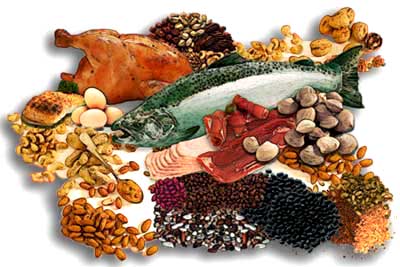
Total sensory foods-- Smart food manufacturers now appreciate that flavor and aroma alone are not enough for many consumers, and that visual and textural stimuli are also important to the consumer. Foods incorporating innovative approaches to a blending of sensory attributes will likely win the consumers’ dollar. Scientific studies show that people shown a picture of a high-calorie food, such as pizza or pastry before experiencing an unfamiliar taste will find that taste more enjoyable than if they were shown a picture of a low-calorie food, such as watermelon or green beans. Thus, the appearance of a food is a critical part of the eating experience.
Decline of grilling-- Grilling has been the go-to way of cooking red meats and poultry, but newly re-kindled concerns about the safety of red meats and meats and poultry cooked in conditions that may char or add smoke may cause consumers to return to recipes that call for baking in the good old oven. A contributor to this trend is the explosion of recipe sharing on social media for mixed meat and vegetable meals prepared easily in the oven.
A gut feeling-- Pre- and pro-biotics continue to be important to our health, including brain health and mood. Consumers need to understand how diet impacts their health by way of their microbiota. Sue Percival, a professor of food science and human nutrition, also wants consumers to understand how probiotics work to make you healthier, reduce stress and give folks greater peace of mind. People can tackle inflammation by consuming foods and nutrients that include pre- and probiotics. For example, bioactive compounds in cranberries are absorbed in low amounts and degraded by the microbiota, suggesting two benefits from the fruit. For example, one such benefit – shown by UF/IFAS scientists -- is that cranberries support the human immune function.
Reducing food waste-- Food waste is an important emerging issue and it can affect sustainability, not to mention consumers’ pocket books. Most wastage of fresh produce occurs in consumers’ homes because they think it doesn’t look or taste good, said Amy Simonne, a professor of food safe and quality. For many produce items, proper storage plays a key role in preserving better taste and appearance. Consumers can save money and help preserve the environment by learning best practices for storing produce properly.
High-end fish-- George Baker, an assistant professor in the department of food science and human nutrition and a Florida Sea Grant specialist, predicts we’ll see more fish products that emphasize product origin or that highlight fishery sustainability. For example, fish might be labeled, “sustainable, small-batch salmon.” On the flip side, we’ll find unrefrigerated, ready-to-eat pouches of flavored tuna products.
Related Items
How a street snack became India's most democratic food…
Coffee could hold the secret to spotting deadly dyes in food
Indusfood 2025: A global showcase of Indian Food Economy